The Beginning
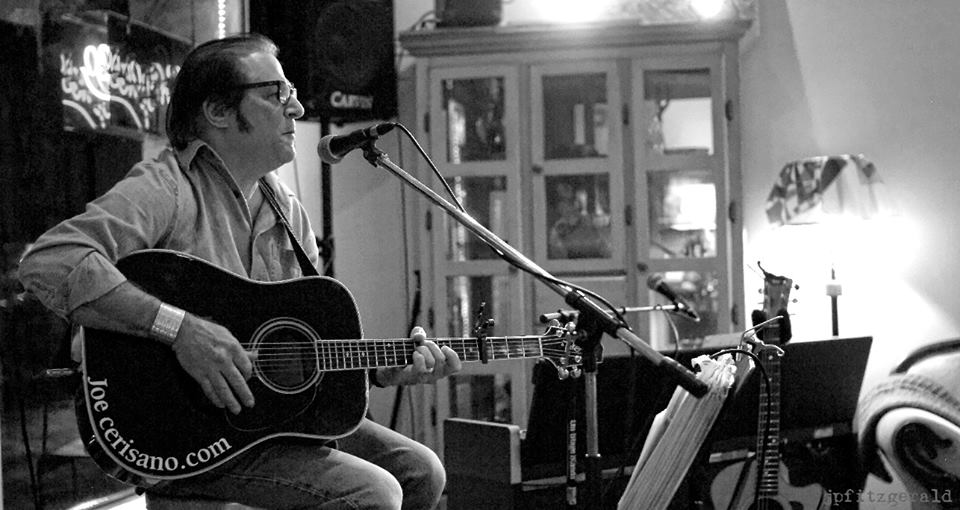
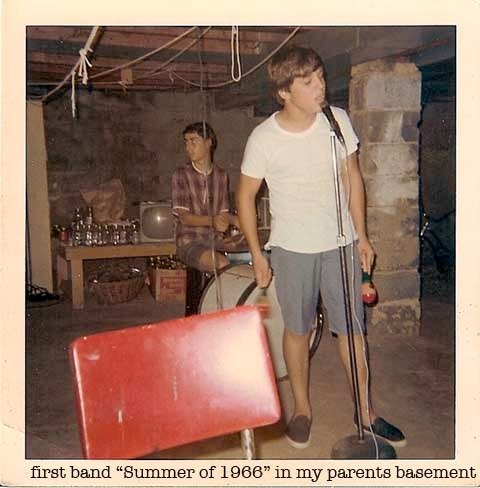
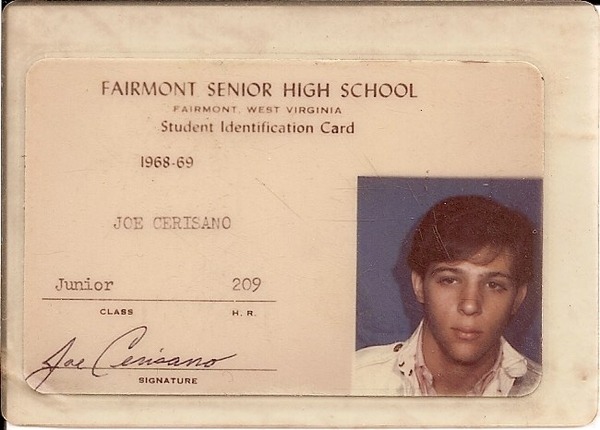
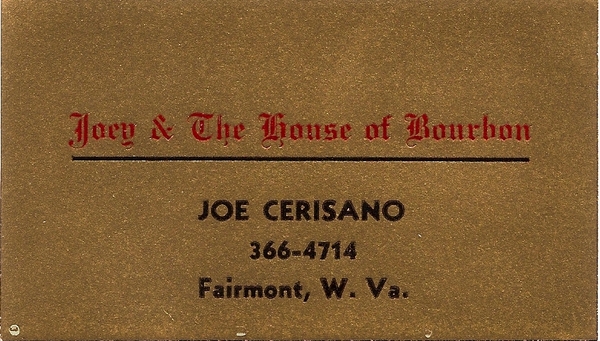
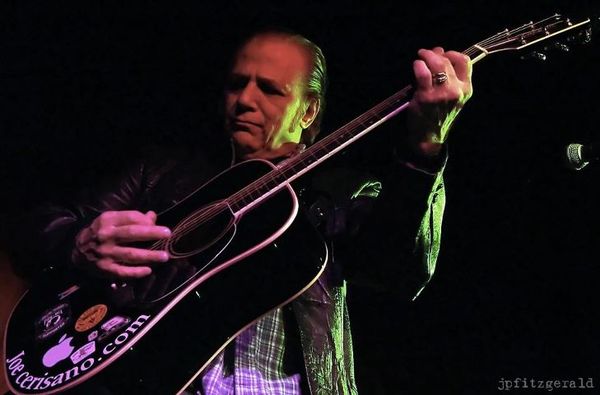
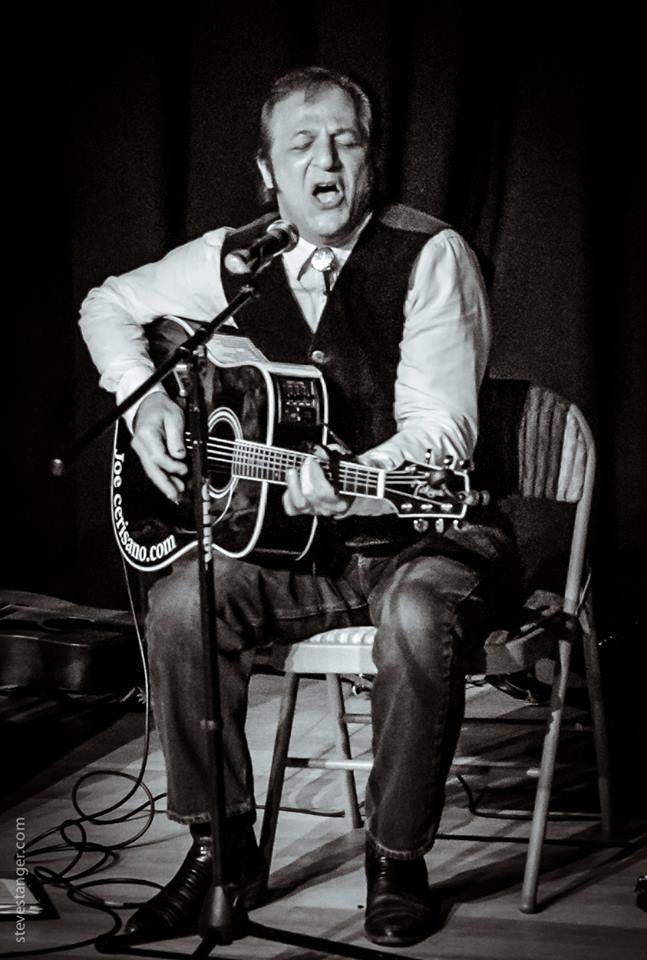
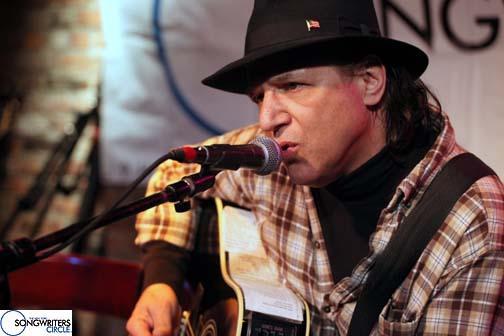
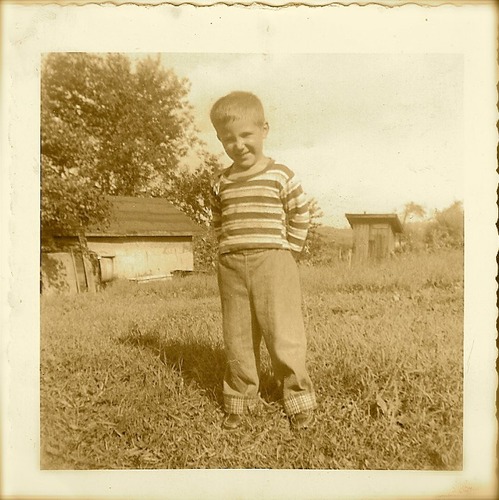
Joseph A. Cerisano III was born on March 28, 1951, in Fairmont, West Virginia, and grew up in the nearby coal-patch community of Watson. At five or six years old, he watched Elvis Presley perform on The Ed Sullivan Show with his family, and something clicked. From that moment, there was never going to be another path. The kid from the holler with the outhouse in the backyard was going to be a singer.
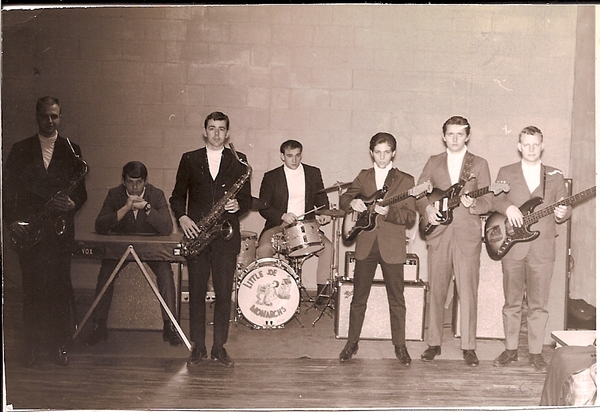
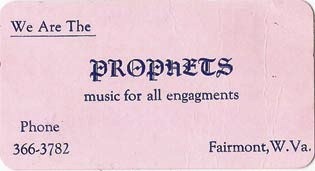
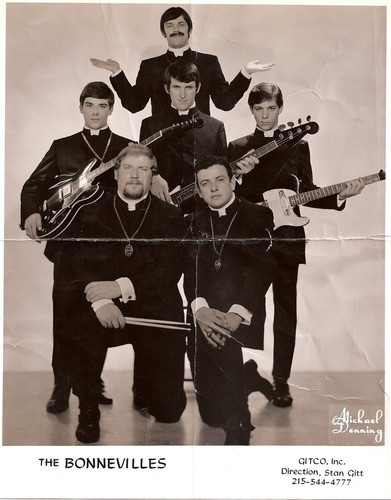
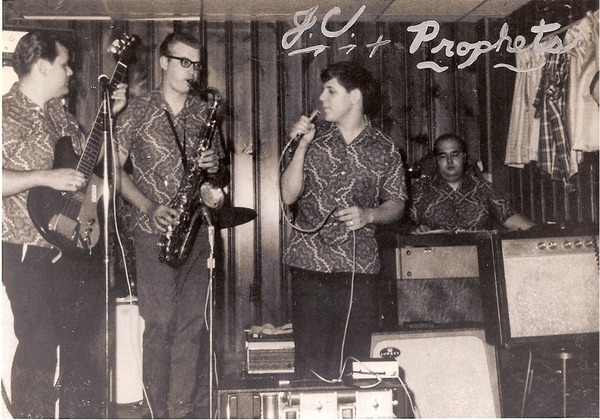
By fourteen, Joe was performing professionally, singing speakeasies in the dry state of West Virginia where liquor was sold illegally and nobody checked your age as long as you could carry a tune. At fifteen, he joined The Prophets, a band of guys in their twenties who had a steady weekend gig at The Hampton Club, an over-21 club in Fairmont. At sixteen, he heard through the grapevine that J.B. of J.B. & The Bonnevilles — the most popular band in the entire state — was leaving the group. Joe called leader Dave Coombs and drove down to Morgantown for a live audition. Coombs gave him an open invitation to come sing anytime he wanted. At seventeen, Coombs called back and asked Joe to join for real.
The summer of 1968 changed everything. The Bonnevilles played the Bayshores Cafe in Somers Point, New Jersey, seven nights a week with matinees on Saturday and Sunday — 3 PM to 2 AM, earning his stripes as a real trooper. The morning he arrived, Coombs drove him straight to the Atlantic City boardwalk. Joe, at seventeen, saw the ocean for the first time. He came home that fall for his senior year at Fairmont West High School, graduated in June 1969, and immediately hitchhiked to the Atlantic City Pop Festival, where he saw Janis Joplin, Creedence Clearwater Revival, and Little Richard. Then he hitchhiked to Washington, D.C., crashed with hippies at Dupont Circle for a few weeks, and headed home to regroup.
Elderberry Jak
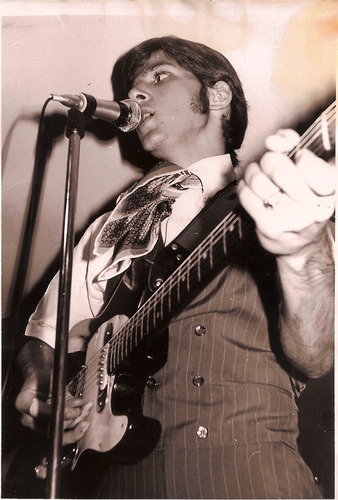
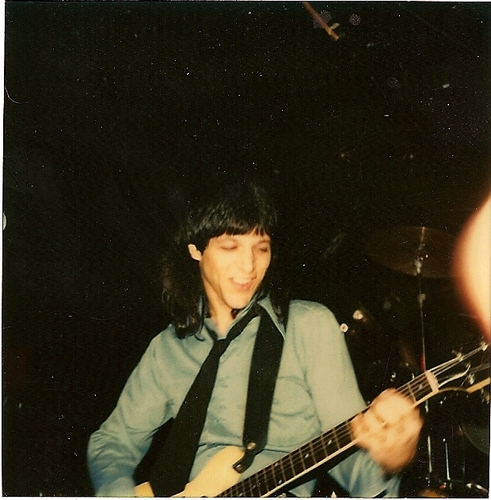
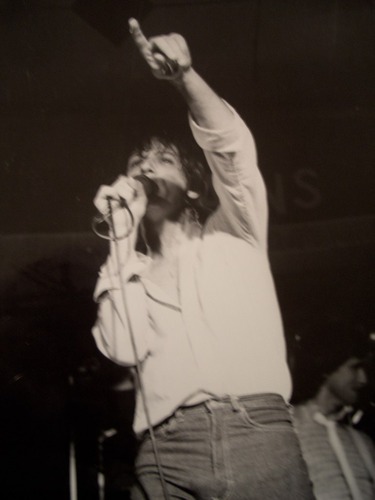
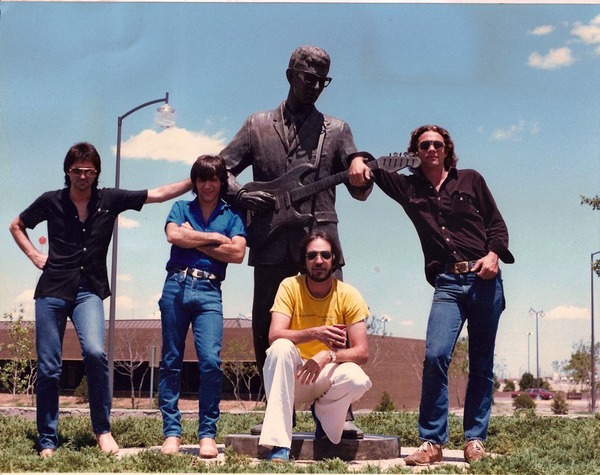
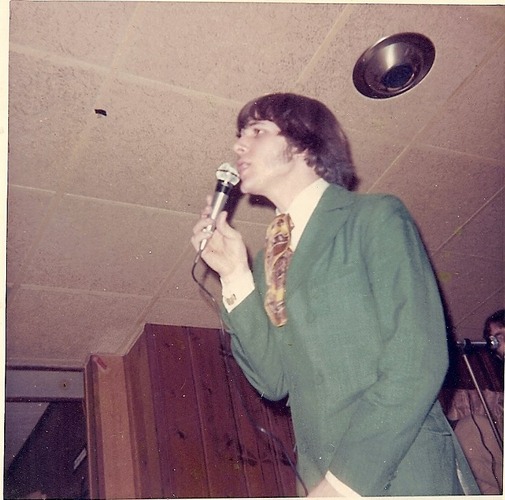
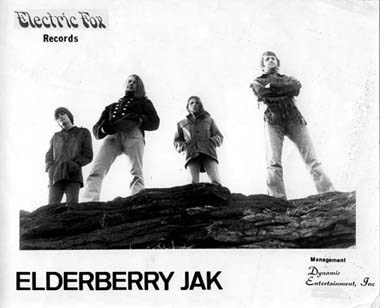
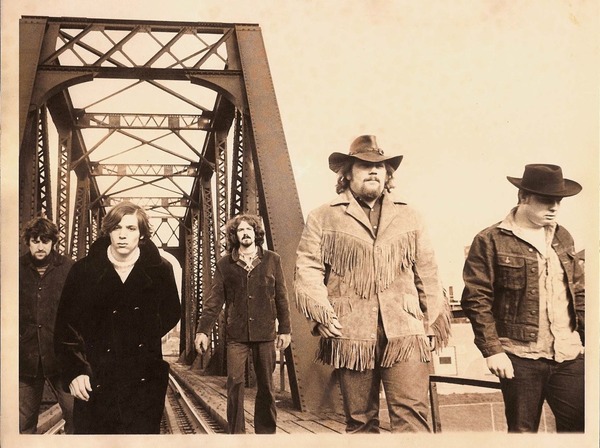
In the spring of 1969, Dave Coombs called again. He wanted to start something new. The result was Kaboose, which by March 1970 had morphed into Elderberry Jak. The lineup was a force of nature: "Little Joe" Cerisano on vocals, Dave Coombs on bass, Joe Hartman on drums — his pounding double-bass footwork rivaling anything John Bonham was doing at the time — and Tom Nicholas on guitar, whose thick, chunky riffs drew comparisons to Joe Walsh. They were young, hungry, and they sounded like nothing else coming out of Appalachia.
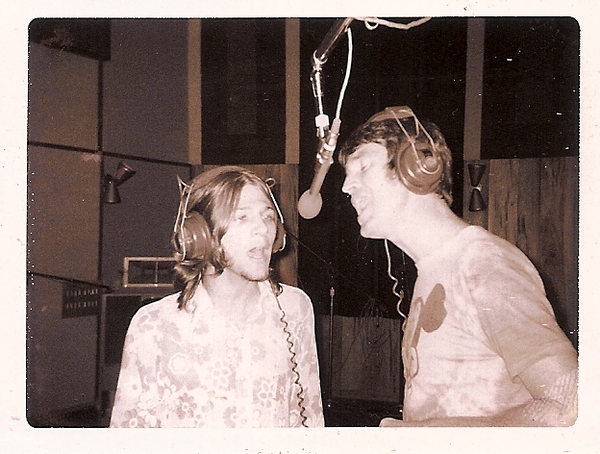
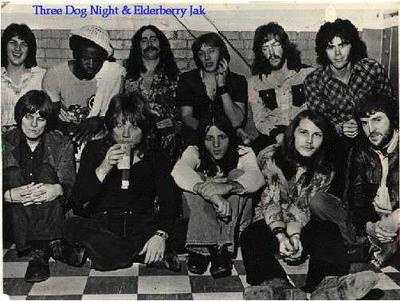
By May 1970, Elderberry Jak had secured a record deal with Electric Fox Records in Memphis, owned by Leland Rogers, Kenny Rogers' brother. That July, the band went to Memphis to record their debut album, "Long Overdue," at Sounds of Memphis and American Recording Studio — the same studio where Elvis had recorded just a month earlier. The album was released in October 1970 and became a regional legend. In 1971, Elderberry Jak warmed up Three Dog Night in front of ten thousand people at the Columbus Fairground Coliseum, then embarked on a two-week tour with the original three-piece James Gang featuring Joe Walsh. As writer Tim Lilley later put it, they were "arguably the finest rock band to come out of West Virginia."
But the music business has a way of grinding down even the best. By January 1972, Elderberry Jak had run its course and broke up. The album endured, though — its songs covered by bands across the region, its reputation growing with every passing year. For Joe, the breakup was a turning point. He realized that to truly make it, he had to leave the security of West Virginia and head for the city. The long road was just beginning.
The Road to California
The years after Elderberry Jak were a crucible. Joe tried Cleveland first, forming a power trio called Trick and teaching himself bass. When that fell apart, he became the house band singer at The Lion's Den in Akron, Ohio, where he got to warm up touring acts like Bob Seger, Slade, and Rory Gallagher. Then he joined a cover band out of Philadelphia called Magic Bus, moved onto a farm with the band, rehearsed for three months — and got fired. They decided they didn't need a lead singer. Back to his parents' house in West Virginia to regroup, again.
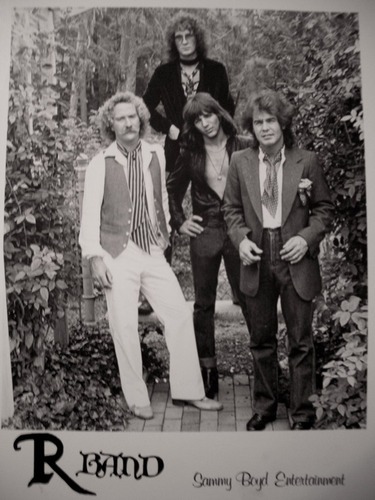
In September 1974, a roadie friend told him about a lightman job in New Jersey. Joe, totally disgusted with how things were going, took the gig — a hundred dollars a week hauling gear and running lights for a club band called Waterfront. But it got him to New Jersey, where he started meeting musicians and collecting names. By December 1975, he had moved to Highlands, NJ, permanently. In 1976, he started a trio called Denim, playing small clubs and writing every day. Then in March 1978, he met guitarist Lee Fink and joined R-Band, singing lead and playing bass.
R-Band became one of the top original groups in the New Jersey rock club scene, a rare thing in a sea of cover bands. Joe would introduce his own songs by telling club owners they were new Bob Seger tracks. Within six months, R-Band was playing entire sets of Joe's originals, and audiences were showing up just for the third set. They started making runs into New York City, playing Monday nights at Great Gildersleeves in the Bowery. But a record deal remained elusive, and playing four sets a night, five or six nights a week, was wearing the group down. Then in December 1979, Joe got a call from guitarist Earl Slick. He sent Slick his demos. Slick heard the songs and said, "When can you get out here?" Joe told the band he was leaving for California. He arrived in Van Nuys on December 14, 1979.
Silver Condor & Columbia Records
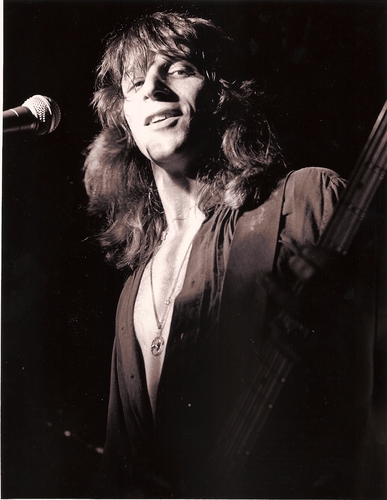
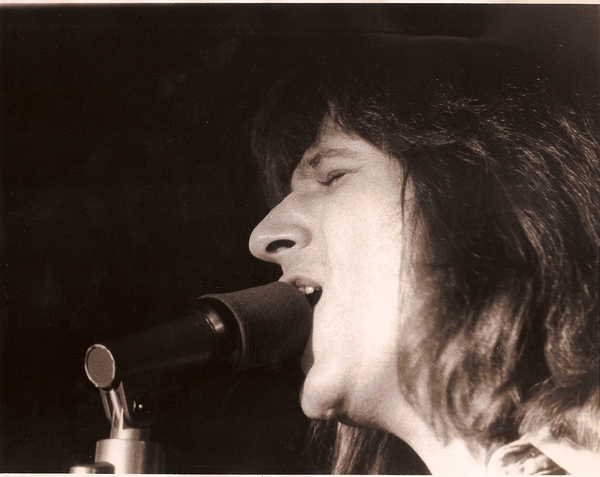
Joe packed up his VW with demo tapes containing the songs he had written for R-Band back in New Jersey and drove to California. Within six months, everything he had been working toward for fifteen years came together at once. He met manager Trudy Green, recorded demos at Pasha Studio, and by August 1980 had signed a $350,000 deal with Columbia Records. Recording began October 18th with Mike Flicker, the producer behind Heart, at the board. Silver Condor was born: Joe on vocals, Earl Slick on guitar (fresh from sessions with David Bowie and John Lennon), John Corey on keyboards, Jay Davis on bass, and Claude Pepper on drums.
The self-titled debut came out in the spring of 1981. Columbia released "You Could Take My Heart Away" as the first single — ironically the only song on the record that Joe didn't write. It climbed to number 32 on the charts. Silver Condor toured across America in an extended Dodge van, but Joe discovered a devastating truth: it was costing him $10,000 a week to be on the road, all charged against his future royalties. He ended the tour. Then Slick, Corey, and Pepper all left, leaving Joe holding the bag for $350,000 owed to Columbia. Columbia wouldn't let him change the band's name. Joe IS Silver Condor.
Undaunted, Joe hired top LA session musicians and chose Eddie Kramer to produce the second album, then had to fire him. He brought in Rick Derringer to play on "Thank God For Rock and Roll" and, in January 1983, recorded Clarence Clemons on six songs at Electric Lady Studio in New York City. In August 1983, he finished "Trouble At Home," called for a flatbed truck, backed his VW into a Ryder, packed his life around it, and left Los Angeles for good. The album was released in October. Joe assembled an East Coast Silver Condor with Glenn Burtnik, Ed Manion, and Dave LaRue. "When A Man Loves A Woman," featuring Clarence on sax, started getting heavy play on WNEW in New York — then Columbia pulled it off the radio. By late October, Joe owed $713,000. In August 1984, he flew to LA to audition with Black Sabbath at SIR Studios. He got the gig. He went back to his hotel room, thought about it overnight, and declined the next day.
The Most Famous Anonymous Singer in America
In November 1983, still reeling from the Columbia collapse and owing more than $700,000, Joe auditioned for a Miller Beer commercial, hoping to make a quick $150. He won it. The spot aired on Super Bowl Sunday, January 1984, and the phone started ringing. Within months, Joe had stumbled into a new career as one of the most in-demand session singers in America. He became the voice behind Coca-Cola, Pepsi, Ford Trucks, GE, the Navy, American Airlines, Campbell's Soup, Mountain Dew, Sprite, and dozens more. By 1987, he was doing twenty recording sessions a week in Manhattan. By 1988, twenty-five. For the first time in his life, he was actually getting paid fairly for singing.
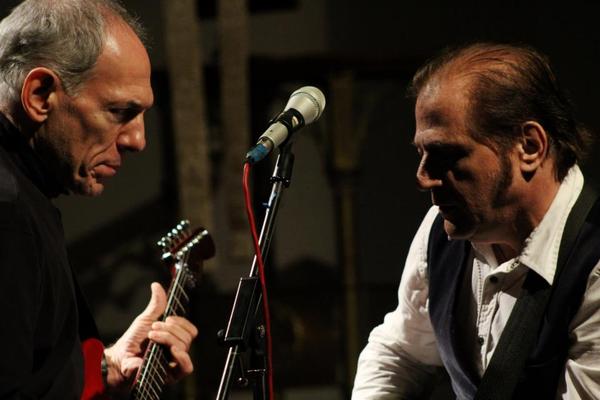
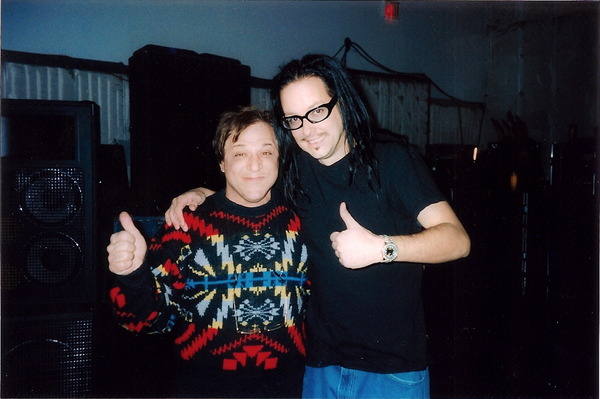
The session work opened doors to an astonishing range of collaborations. Joe did backing vocals on multiple Michael Bolton albums. He sang with Ian Hunter and Mick Ronson. In 1986, he sang the lead on "Hands Across America," written by Marc Blatte and John Carney, which was featured on MTV and became a cultural touchstone. He was the lead vocalist on Blue Oyster Cult's "Frankenstein" from the Imaginos album. He appeared alongside Gloria Estefan and Placido Domingo on "Goya: A Life in Song," produced by Phil Ramone. He even sang backup for Korn at the Apollo Theatre for their Issues album launch — an MTV global event broadcast on over a hundred radio stations. From Bo Diddley to Korn, the range was staggering.
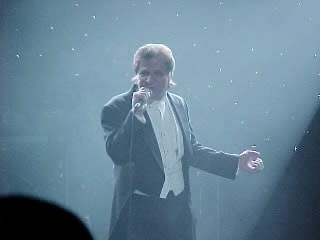
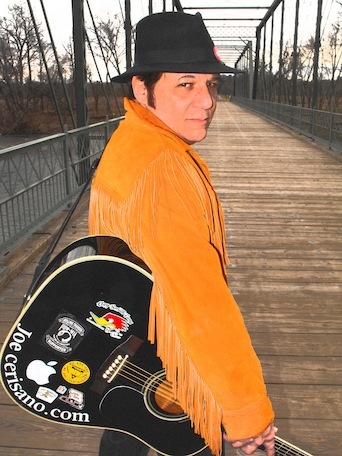
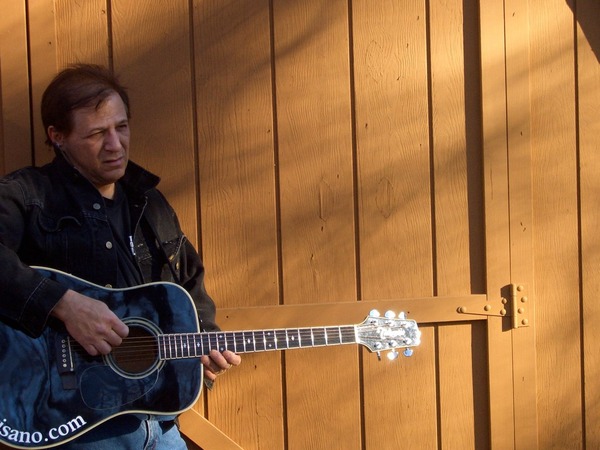
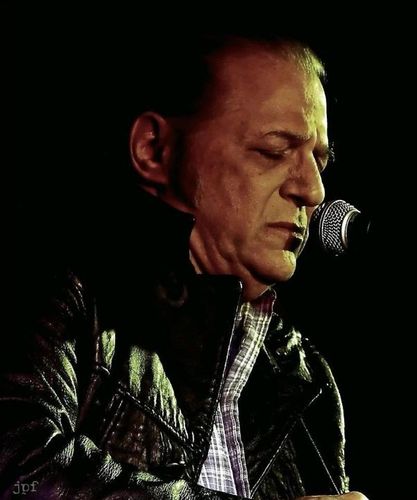
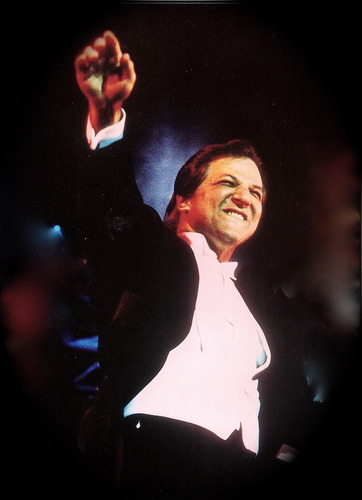
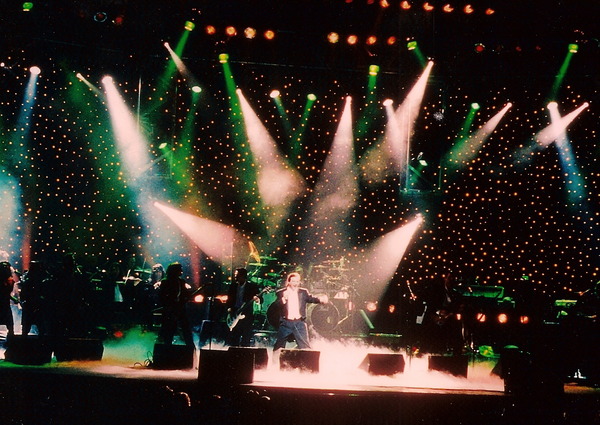
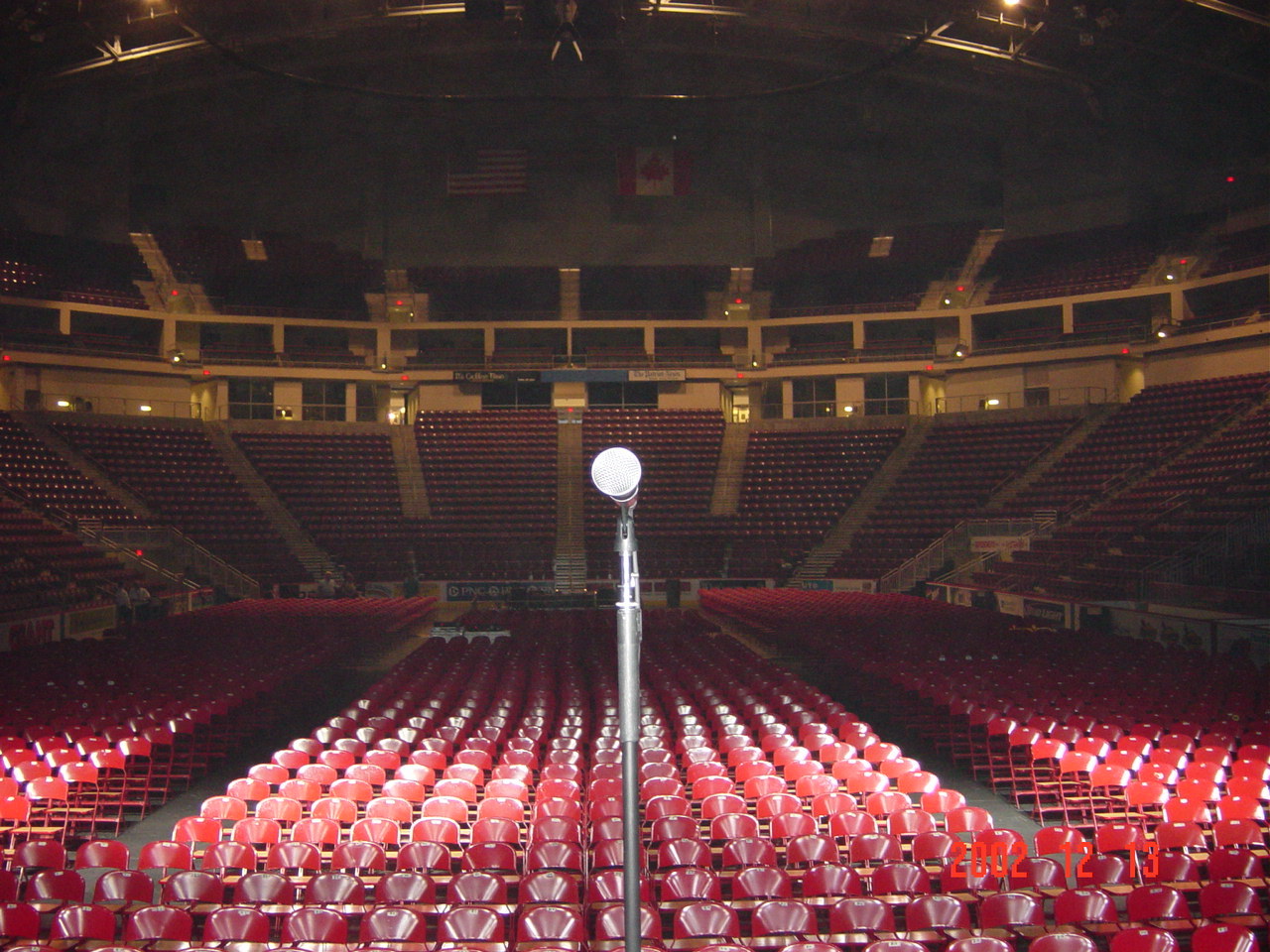
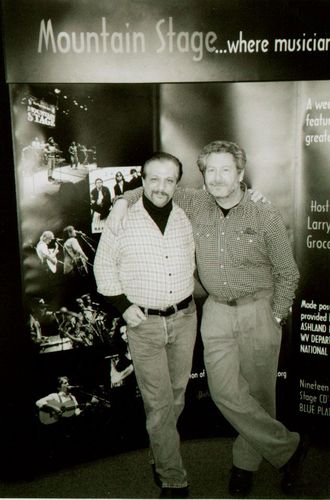
In December 1998, Joe got a call from Paul O'Neill to sing on Trans-Siberian Orchestra's "The Christmas Attic" — a platinum-selling album that has become a holiday classic. From 1999 through 2003, he recorded and toured with TSO for four seasons, center stage in arenas across the country. In April 2000, he returned to his hometown of Fairmont, performing with Eric Weissberg of "Dueling Banjos" fame at Fairmont State University when NPR's Mountain Stage came to town. Joe has continued writing, recording his solo album "Carbon Copy," traveling to Nashville, and performing. Through three decades of commercials, sessions, and arena tours, he remains one of the most recognized voices in America — and one of the most anonymous faces. The kid from Watson, West Virginia, became the voice of a generation.